
HOA & COMMUNITY ASSOCIATION MANAGEMENT · SAN DIEGO COUNTY
Well-managed communities start with clear direction.
Full-service, one-stop HOA management with in-house accounting through PayHOA. Organized operations, clear communication and a practical plan for caring for shared property. We bank with First Citizens Bank.

Support for the board. Care for the community.

Over 8 years managing San Diego County properties · Licensed real estate professional, DRE #02190051 · HOA operations on PayHOA · Banking with First Citizens Bank
A scope shaped around your association
Board & administrative coordination
Meeting preparation, action-item tracking and organized association records.
In-house accounting
Budgets, owner billing and financial reporting handled in-house through PayHOA, with approval controls agreed up front.
Vendor & maintenance coordination
Bids, approved work and common-area priorities kept organized and visible.
Resident communication
Clear channels for notices, questions and requests.
Community standards & records
Support for the board’s documented procedures. The board keeps its decisions; legal advice comes from association counsel.
Planning & follow-through
Recurring work, contract dates and longer-term priorities kept in view.
A thoughtful management transition
Step 1: Understand the community.
Review the association, current arrangements and board priorities.
Step 2: Agree the responsibilities.
Set the scope, fees, communication and reporting in writing.
Step 3: Coordinate the handover.
Transfer authorized records and vendor information and set a working rhythm with the board.
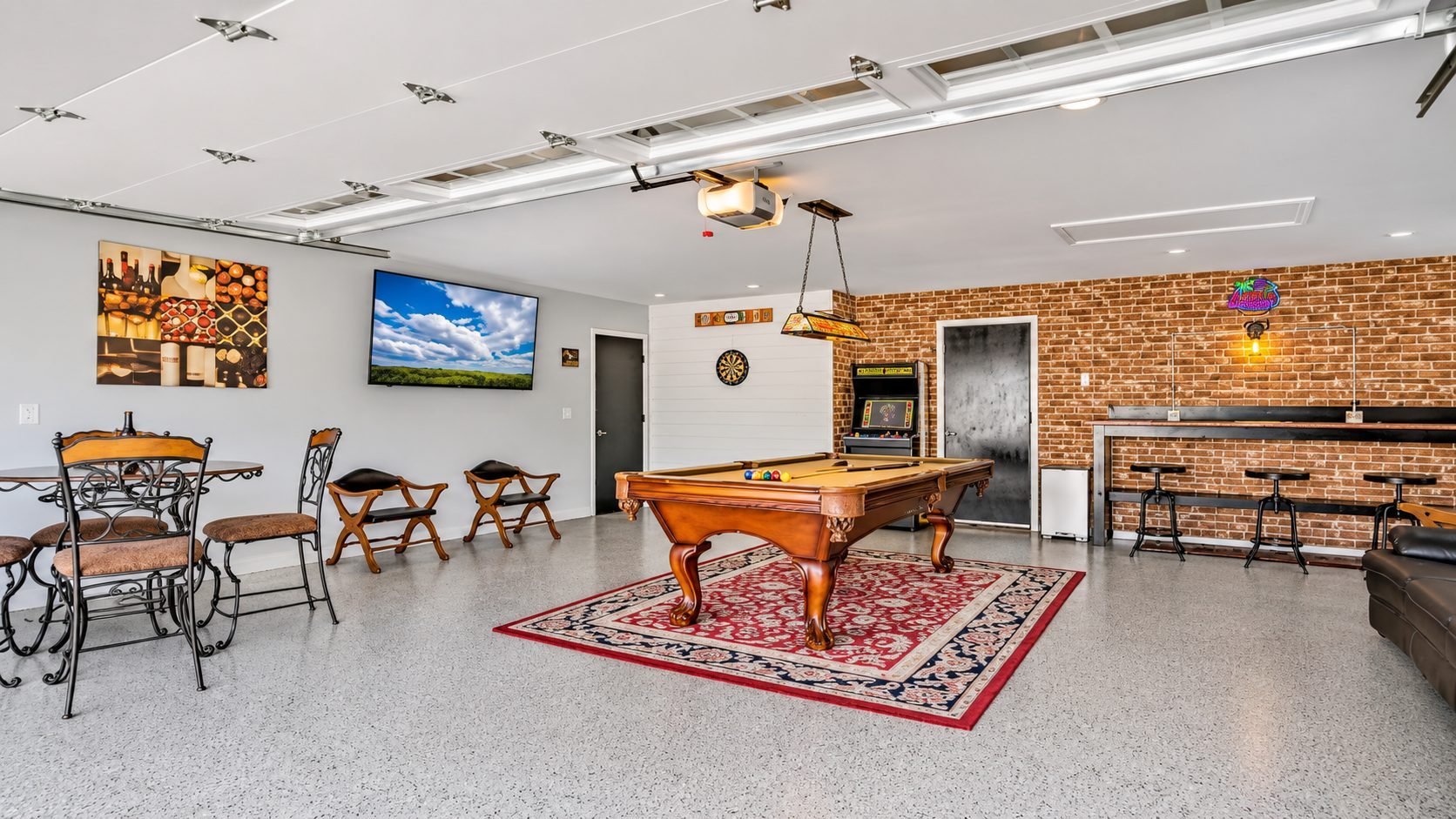
Homes we care for




Frequently asked questions
-
Tell us the location, property type and number of units. We’ll confirm service fit for your community.
-
We can review your current contract and notice requirements and agree a handover plan and start date before any change.
-
Reporting is part of the proposal. We’ll clarify reports, schedule and access in PayHOA with your board and accounting advisers.
-
No. Rental use depends on your governing documents and local requirements, with legal questions referred to qualified counsel.
Bring us your community’s priorities.
Tell us what’s working, what isn’t and what your board needs next.